

Do you ever feel like your shift management process is a constant battle against a never-ending tide of requests, changes, and compliance headaches? You’re not alone. For many businesses, scheduling employees can be a chaotic and time-consuming process. Juggling employee availability, skill sets, labor laws, and customer demands can feel like an impossible task.

Ever found yourself buried under piles of shift schedules, struggling to keep up with staff availability, and feeling the weight of it all? You're not alone. In industries reliant on shift work, managing schedules can be overwhelming. We can’t solve all the problems you’re facing as a Manager but we can help you manage your shift in the most efficient way.

Scheduling is not just about managing time: it’s about optimizing productivity and managing success. At Workeen, we understand how important time is and we’re committed to making you more efficient utilizing the Pareto Principle in action. The Pareto Principle, also known as the 80/20 rule, asserts that roughly 80% of results come from 20% of efforts. This principle underscores the importance of identifying and focusing on the most impactful tasks to maximize productivity.

In the ever-churning gears of any organization, smooth shift management acts as the essential lubricant. It ensures the right people are in the right place at the right time, keeping operations running like a well-oiled machine. But conquering the complexities of shift management can feel like wrangling a heard of cats. Fear not, weary leader! This blog post unveils four key tips to transform you into a shift management maestro, fostering a happy and productive team while achieving operational excellence.
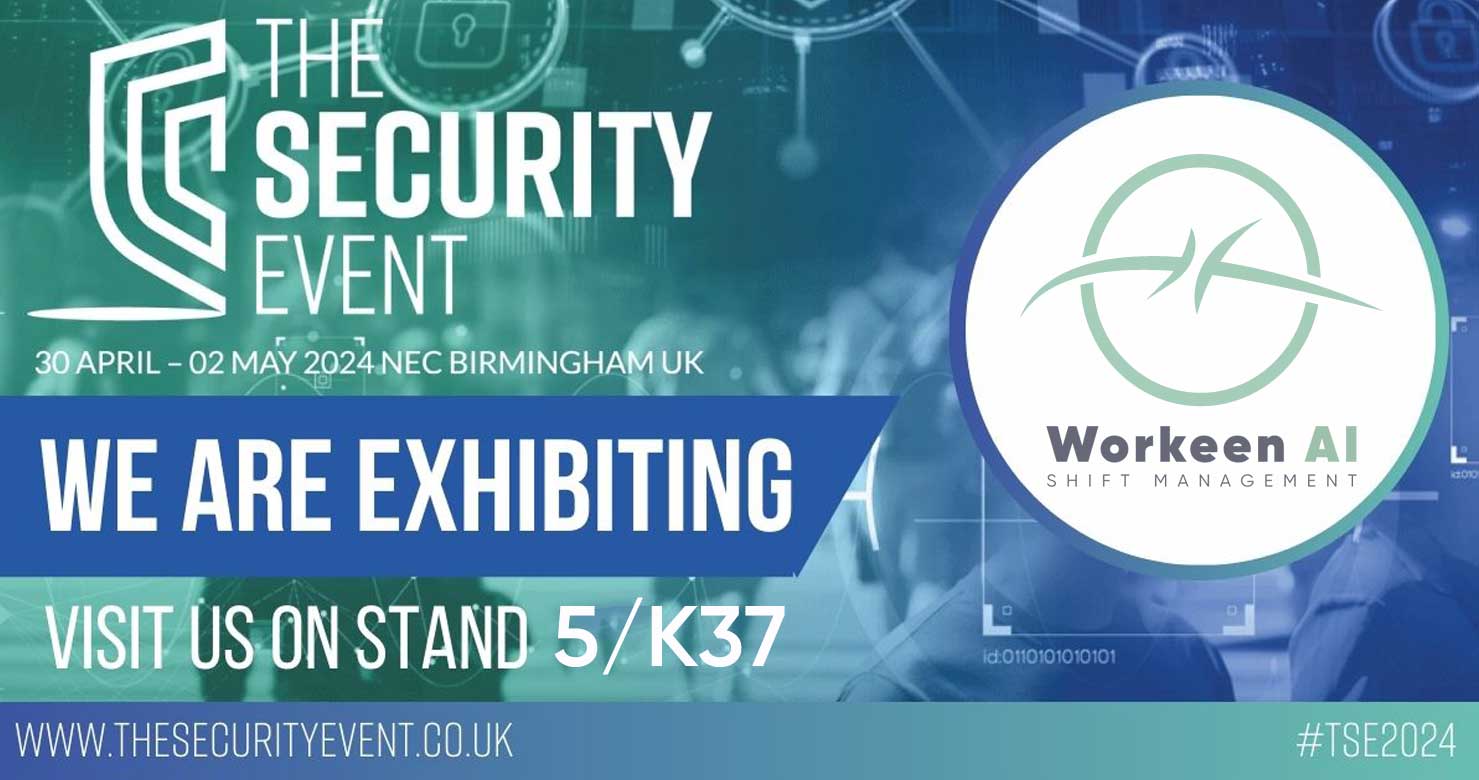
Exciting news awaits! Workeen AI is gearing up for participation in the esteemed Security Event (TSE) taking place 30 April - 2 May 2024 at NEC Birmingham, UK! This event holds significant importance within the security industry, serving as a hub for top innovators and experts to delve into the latest trends and technologies.

In our modern interconnected world, essential industries play a crucial role in ensuring society's uninterrupted functioning. Healthcare, emergency services, transportation, manufacturing, and hospitality are just a few examples of sectors that demand round-the-clock operations to cater to the needs of the public. However, managing shift scheduling in these 24/7 industries comes with its unique set of challenges.
With Workeen AI, employee scheduling becomes a simple and straightforward process. Get it ready in a few clicks.